
Sports Massage
Sports Massage in Seattle: Recovery for Every Active Body
Targeted soft-tissue work for runners, lifters, cyclists, and weekend warriors, delivered in Ravenna and supervised by a Certified Chiropractic Sports Physician.
Massage is in high demand and currently booking 2 to 3 months out. Need care sooner? Chiropractic, acupuncture, and red light therapy have sooner openings, and massage clients can join our cancellation list.
What is sports massage, and who is it for?
Sports massage is targeted soft-tissue work built around how you train: the muscles your sport loads, where you are in your season, and what is coming up next. At MindBody Med in Seattle it is used before events, after them, and as regular maintenance by runners, climbers, cyclists, lifters, and weekend league athletes. If tightness turns out to be an injury, our sports rehab and chiropractic team are in the same building.
Recovery massage or rehab massage?
If you are sore from training and want support recovering between sessions, that is sports massage, and it is usually self-pay. If you are recovering from an injury, such as a strain, tendonitis, or pain after a fall or car accident, rehab massage at our clinic is done as medical massage: it follows a documented care plan alongside chiropractic care and sports rehab, and many plans may cover it.
Who It's For
You Don't Have to Be a Pro Athlete
Sports massage isn't about how competitive you are. It's about how hard your body works. If you train, run, ride, or just go all-out on weekends, this is recovery built for you.
Runners
Green Lake is right next door, and so are the tight calves, IT bands, and hip flexors that come with logging miles around it. Sports massage supports recovery between runs and helps relieve the tension that builds over a training block.
Lifters & CrossFit
Heavy squats, Olympic lifts, and high-volume WODs load your tissue hard. Targeted soft-tissue work helps relieve soreness and may reduce the stiffness that limits your next session, especially through the hips, upper back, and shoulders.
Climbers
Gym bouldering and weekend trips to the mountains are hard on forearms, fingers, shoulders, and the upper back. We work the flexors, lats, and rotator cuff area that overhanging routes and long belay sessions leave tight.
Cyclists
Hours in the saddle shorten hip flexors and load the low back and neck. We work the specific patterns cycling creates so you can ride comfortably, longer.
Weekend League Athletes
Rec league soccer, pickup basketball, ultimate, ski season, that one softball game: going hard once a week is exactly when muscles complain. Sports massage supports recovery so Monday doesn't hurt.
Desk Workers Who Train
Eight hours at a keyboard followed by a hard workout is a common Seattle combination. We address both the desk posture and the training load in the same session.
Timing
Pre-Event, Post-Event, or Maintenance Sports Massage?
The same therapist can do very different work depending on where you are in your training. Here is how we match the session to the calendar.
Pre-Event
A few days out, or a short session closer to the event
Lighter, quicker work aimed at loosening tight areas and helping you feel ready. We avoid deep, intense pressure right before a race or game, because you want to show up fresh, not sore.
Post-Event
After you have cooled down, rehydrated, and eaten
Gentle, flushing work that helps you wind down after a race, tournament, or big day in the mountains. Deep work usually waits a few days, until the acute soreness from the effort settles.
Maintenance
Every 1 to 4 weeks during a training block
The bread and butter of sports massage. Deeper, targeted work on the areas your sport loads most, timed away from your hardest sessions so you can train well the next day.
Training for a big event? Book maintenance work early in the block and plan your pre-event session well ahead, since massage books out further than chiropractic.
Your Visit
What Happens During a Sports Massage Session?
Training intake
We ask what you do, how often, what is coming up on your calendar, and where you feel tight or sore. Injuries, surgeries, and medications matter too.
Quick assessment
Your therapist checks range of motion and tissue quality in the areas you flagged, plus the ones that usually feed into them (tight calves behind sore knees, for example).
Targeted hands-on work
Deep tissue, trigger point work, instrument-assisted techniques, or percussion, chosen for your sport and how your tissue responds. Pressure is always your call.
Mobility and taping
Assisted stretching and mobility work to carry the change into how you move. Kinesio taping is added when support during activity would help.
A plan, not just a session
You leave with a suggested cadence and simple home care. If something looks like an injury rather than tightness, we bring in our sports chiropractor or rehab team.
Your Team
Sports Massage With Sports Medicine Behind It
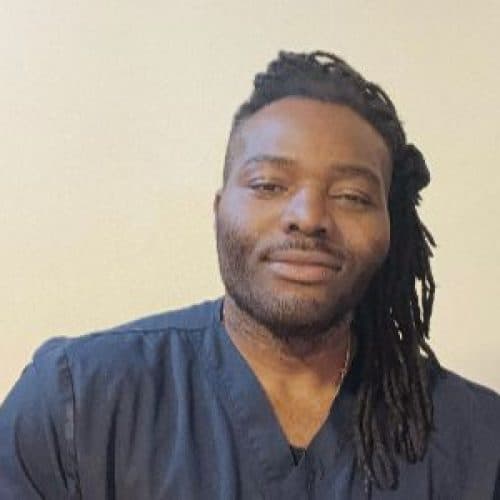
Ash Chima
Sports Medicine Personal Trainer & Massage Therapist
Ash brings elite athletic training experience to the table: sports and Russian massage techniques used with NBA, NFL, and NCAA athletes, now applied to Seattle's everyday athletes.
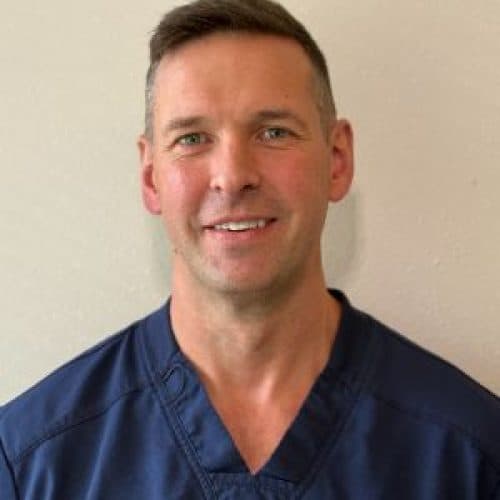
Dr. John Chevigny, DC, CCSP
Certified Chiropractic Sports Physician
Every sports massage plan is supervised by a sports chiropractor in Seattle with the CCSP credential, advanced training in athletic injuries that most massage studios simply don't have on staff.
That combination matters: if your soreness turns out to be an injury, you're already in a clinic that can assess it, treat it, and build your rehab plan, no referral needed.
Our Toolkit
The Right Technique for the Job
Your session isn't one technique for 60 minutes. We draw from a full soft-tissue toolkit as your body needs it, integrated with sports rehab when an injury is part of the picture.
Deep Tissue Work
Focused pressure on deeper muscle layers and connective tissue to help release chronic tension and training-related adhesions.
Trigger Point Therapy
Precise pressure on hyperirritable muscle knots to help relieve referred pain patterns, common in overworked shoulders, hips, and calves.
Graston Technique
Instrument-assisted soft tissue mobilization that targets scar tissue and fascial restrictions from repetitive training stress.
Kinesio Taping
Elastic therapeutic taping applied after your session to support muscles and joints as you return to activity.
Percussive Therapy
Rapid, targeted percussion to warm tissue, support circulation, and help relieve localized soreness before hands-on work.
Stretching & Mobility
Assisted stretching and mobility work built into your session, so gains on the table carry over to how you move.
Common Complaints
What Sports Massage Helps With
Dealing with something more persistent? See how we treat shoulder pain and back pain.
Better Together
Build Your Recovery Stack
Sports massage works well on its own, and better as part of a plan. Everything below happens under one roof, often on the same visit.
Chiropractic Adjustments
Soft tissue work loosens the muscle; an adjustment restores joint motion. Together they address both sides of most training-related pain.
Learn moreSports Rehab
If an injury is behind your pain, massage integrates directly into a rehab plan: movement assessment, corrective exercise, and return-to-activity milestones.
Learn moreRed Light Therapy
A 15-minute full-body session in the Prism Light Pod after your massage may support circulation and muscle recovery. It's a popular recovery pairing for athletes.
Learn moreHere is how the pieces usually fit for an injured runner or lifter. Massage handles the tight, overworked tissue. A chiropractic adjustment restores motion in a stiff joint. Sports rehab rebuilds the strength and control that keep the problem from coming back. Dr. Chevigny coordinates the plan so each visit builds on the last.
Some athletes also add a 15-minute session in our full-body Prism Light Pod after massage. Research suggests red light therapy may support exercise recovery and local circulation, though results vary from person to person and it is not a replacement for rest or rehab. Your first light pod session is complimentary if you want to see how it fits your routine.
New patient? Ask about combo discounts when you pair sports massage with another service.
Sports Massage Questions, Answered
How is sports massage different from a relaxation massage?
A relaxation massage is about general stress relief. Sports massage is goal-driven: we assess how you train and where your tissue is breaking down, then use targeted techniques (deep tissue, trigger point work, Graston, stretching) on the specific muscles your sport loads. Sessions are focused on outcomes like recovery, mobility, and staying injury-free, not just feeling relaxed (though most patients leave feeling that too).
How often should athletes get a sports massage?
It depends on your training volume. Many athletes in a heavy training block come in every 1 to 2 weeks; recreational athletes often do well with a monthly maintenance session, adding visits around big events or when soreness lingers. Your therapist will recommend a cadence based on your sport, schedule, and how your tissue responds.
Do I need to be an athlete to book a sports massage?
Not at all. Sports massage is for anyone with an active body: runners, gym-goers, cyclists, weekend warriors, and desk workers who train after hours. If your muscles work hard, the same recovery-focused techniques apply.
Can I combine sports massage with a chiropractic adjustment on the same day?
Yes, and many patients do. Massage relaxes the soft tissue, which often makes the adjustment more comfortable and effective. Both happen under one roof at MindBody Med, and we offer combo discounts for new patients who pair services. Ask the front desk when you book.
Should I get a sports massage before or after a race?
Both can help, but they look different. Before a race or game, keep it lighter and give yourself a few days of buffer if the work will be deep, so you do not show up sore. After the event, start with gentle work once you have cooled down and refueled, and save deeper work for a few days later. Maintenance sessions during your training block do most of the heavy lifting.
Is sports massage good for climbers?
Yes. Climbing loads the forearms, fingers, shoulders, and upper back in a very specific way, and those areas tend to stay tight between sessions. Sports massage can work the forearm flexors, lats, and the muscles around the shoulder blade. If you have finger pulley pain or sharp elbow pain, have it assessed first, because that may be an injury rather than tightness.
Does sports massage hurt?
It is usually firmer than a relaxation massage and some spots can feel intense, but it should never be sharp. Your therapist will check in on pressure throughout. Mild soreness for a day or two afterward is common, especially after deeper maintenance work.
Where can I get a sports massage in Seattle?
MindBody Med offers sports massage at 2705 NE 65th Street in Ravenna, a short drive from Green Lake, the U District, and Wedgwood, with free on-site parking. Massage is in high demand and books 2 to 3 months out, so join the cancellation list for sooner openings. If you are dealing with an injury now, a chiropractic, acupuncture, or red light therapy visit is usually available sooner.
Who are your sports massage therapists?
Sports massage at MindBody Med is led by Ash Chima, an ACSM Certified Personal Trainer and sports massage therapist who trained in Russian sports massage techniques and has worked with NBA, NFL, and NCAA athletes. Mai Nguyen, LMT, focuses on injury rehab and repetitive strain. Plans are overseen by Dr. John Chevigny, DC, CCSP, a Certified Chiropractic Sports Physician.
Do you offer recovery massage in Seattle?
Yes. Much of our sports massage is recovery work: maintenance sessions during a training block, gentle work after a race or big event, and focused work on areas that stay tight. Pairing massage with a short red light therapy session is a popular option for athletes, and it may support exercise recovery.
Can insurance cover sports massage?
Insurance looks at medical necessity, not the label on the session. If you have a diagnosed injury and massage is part of a documented treatment plan, many plans may cover it as medical massage. Massage for general recovery or maintenance is usually self-pay. We can help verify your benefits before your visit.
Most major insurance plans accepted for massage therapy when medically necessary. View accepted plans →
Train Hard. Recover Smarter.
Book a sports massage in Ravenna, or call and we'll help you pick the right starting point.